(28).jpg)
Gastrointestinal disorders represent a significant global health burden, with GERD being one of the most prominent conditions. Affecting hundreds of millions of people worldwide, with prevalence increasing over several decades, GERD creates a substantial demand for symptom management, particularly for symptoms such as heartburn and acid reflux, especially the need for rapid symptom relief.
In this context, alongside acid-suppressing medications, Antacids offer a more direct approach by neutralizing the acid already present in the stomach, thereby increasing gastric pH and helping to provide rapid relief from acid-related symptoms. Both Sodium Bicarbonate and Calcium Carbonate serve as Antacids; however, differences in their physicochemical properties lead to distinct ways in which these ingredients are utilized in actual pharmaceutical products.
Although both Sodium Bicarbonate and Calcium Carbonate serve as Antacids, they are not identical in terms of their physicochemical properties. These differences not only influence their acid-neutralizing capacity but also affect how each ingredient is selected and utilized in formulations.
| Property | Sodium Bicarbonate (NaHCO₃) | Calcium Carbonate (CaCO₃) |
|---|---|---|
| Primary role | Antacid | Antacid |
| Mechanism | NaHCO₃ + HCl → NaCl + H₂O + CO₂ | CaCO₃ + 2HCl → CaCl₂ + H₂O + CO₂ |
| Solubility | Soluble in water (~90 mg/mL) | Practically insoluble in water |
| pH | 8.3 (~0.8% w/v) | 9.0 (10% w/v suspension) |
| Neutralization rate | Rapid reaction, facilitating a rapid acid-neutralizing response | Slower reaction than NaHCO₃; the reaction rate also depends on dissolution and particle surface area |
| Precautions | Excessive absorption of HCO₃⁻ may lead to metabolic alkalosis. High levels of absorbed Na⁺ may exacerbate edema and congestive heart failure. | Approximately 90% of the calcium chloride formed is converted into insoluble calcium salts or calcium soaps in the small intestine and is not absorbed. Calcium salts may cause constipation. |
| Other applications | In addition to its use as an active ingredient, Sodium Bicarbonate is also used as an excipient, serving as an alkalizing agent and an effervescent agent. | In addition to its use in Antacids, it is also used as a calcium supplement and as an excipient serving as an alkalizing agent and an opacifying agent, as an alternative to TiO₂. |
| Product | Dosage | Alginic Acid / Sodium Alginate (mg/dose) | NaHCO₃ (mg/dose) | CaCO₃ (mg/dose) |
|---|---|---|---|---|
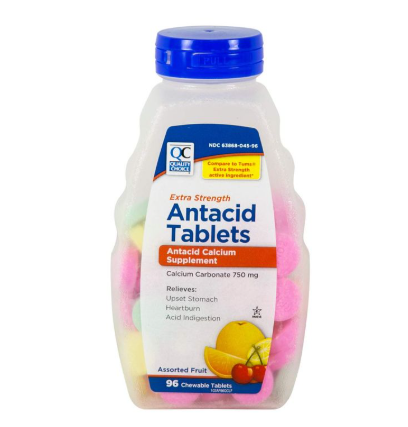 | 2–4 tablets | – | – | 500–1000 mg |
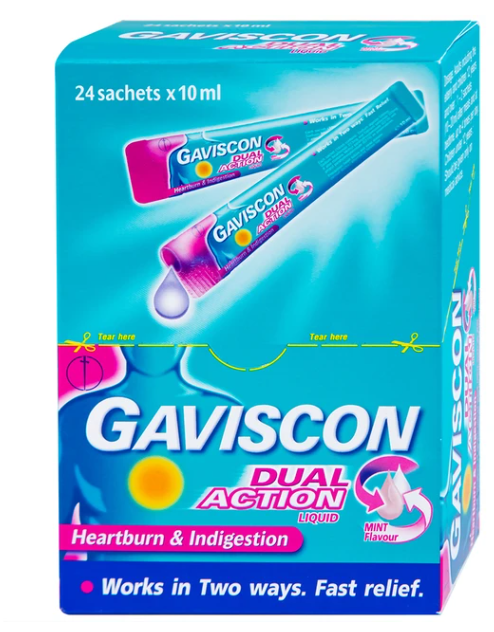 | 10 mL | 500 mg | 213 mg | 325 mg |
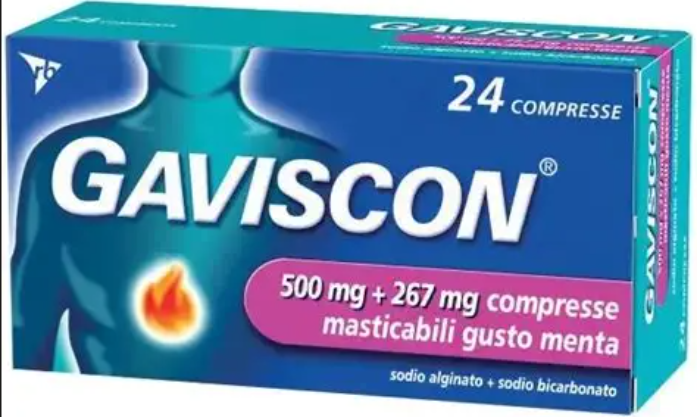 | 1–2 tablets | 500 mg | 267 mg | – |
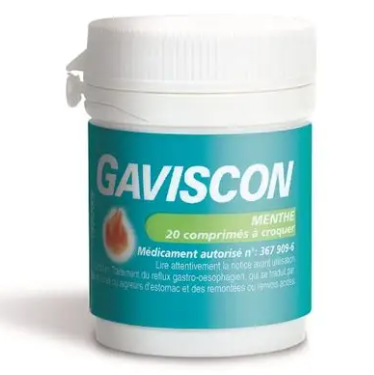 | 1–2 tablets | 500 mg | 267 mg | 160 mg |
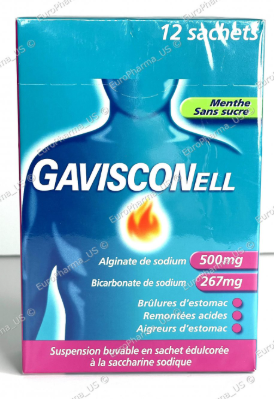 | 1 sachet | 500 mg | 267 mg | – |
In addition to their roles as Antacids, Sodium Bicarbonate and Calcium Carbonate also serve various functions in pharmaceutical formulations, including:
| Application | Image | Description |
|---|---|---|
| Active Ingredient Stabilization | 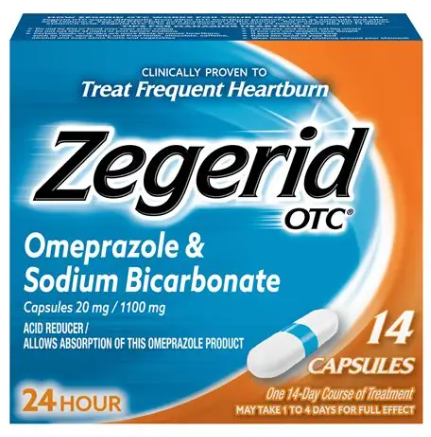 | Active ingredients: Omeprazole + Sodium Bicarbonate NaHCO₃ serves as an Antacid while also limiting the degradation of omeprazole in the stomach. In addition, NaHCO₃ creates an alkaline microenvironment, helping to improve product stability. |
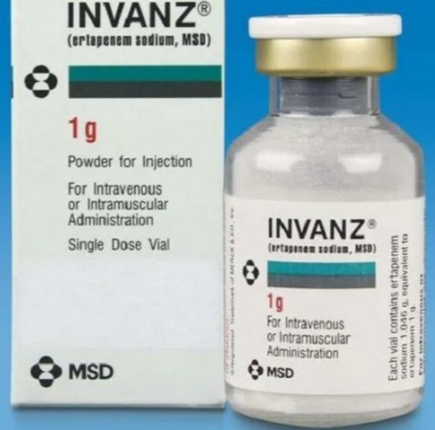 | Active ingredient: Ertapenem sodium Excipient: Sodium Bicarbonate NaHCO₃ is used to control or adjust the pH of the formulation. | |
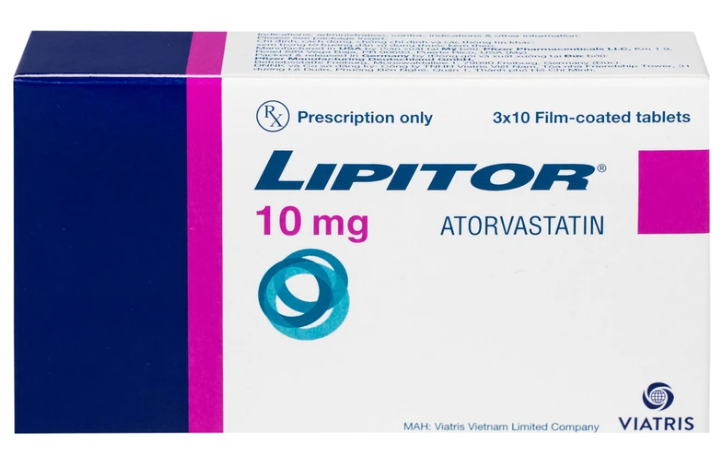 | Active ingredient: Atorvastatin calcium trihydrate Excipient: Calcium Carbonate CaCO₃ is used as an alkalizing agent/stabilizer, contributing to improved active ingredient stability. | |
| Excipient in Effervescent Systems | 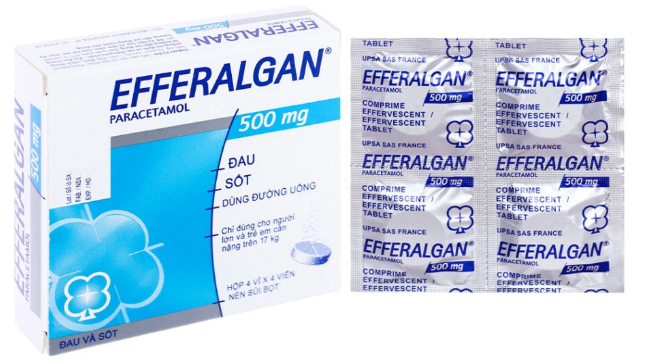 | Active ingredient: Paracetamol Excipient: Sodium Bicarbonate NaHCO₃ is a component of the effervescent system, reacting with citric acid to generate CO₂. The molar ratio of citric acid to Sodium Bicarbonate is 1:3. |
| Calcium Supplementation | 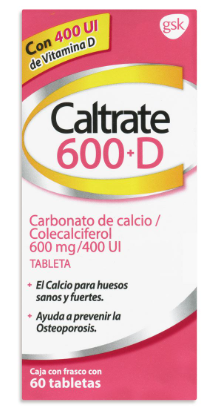 | Active ingredients: Calcium Carbonate + Vitamin D3 CaCO₃ is used as a calcium source in calcium supplementation products. |