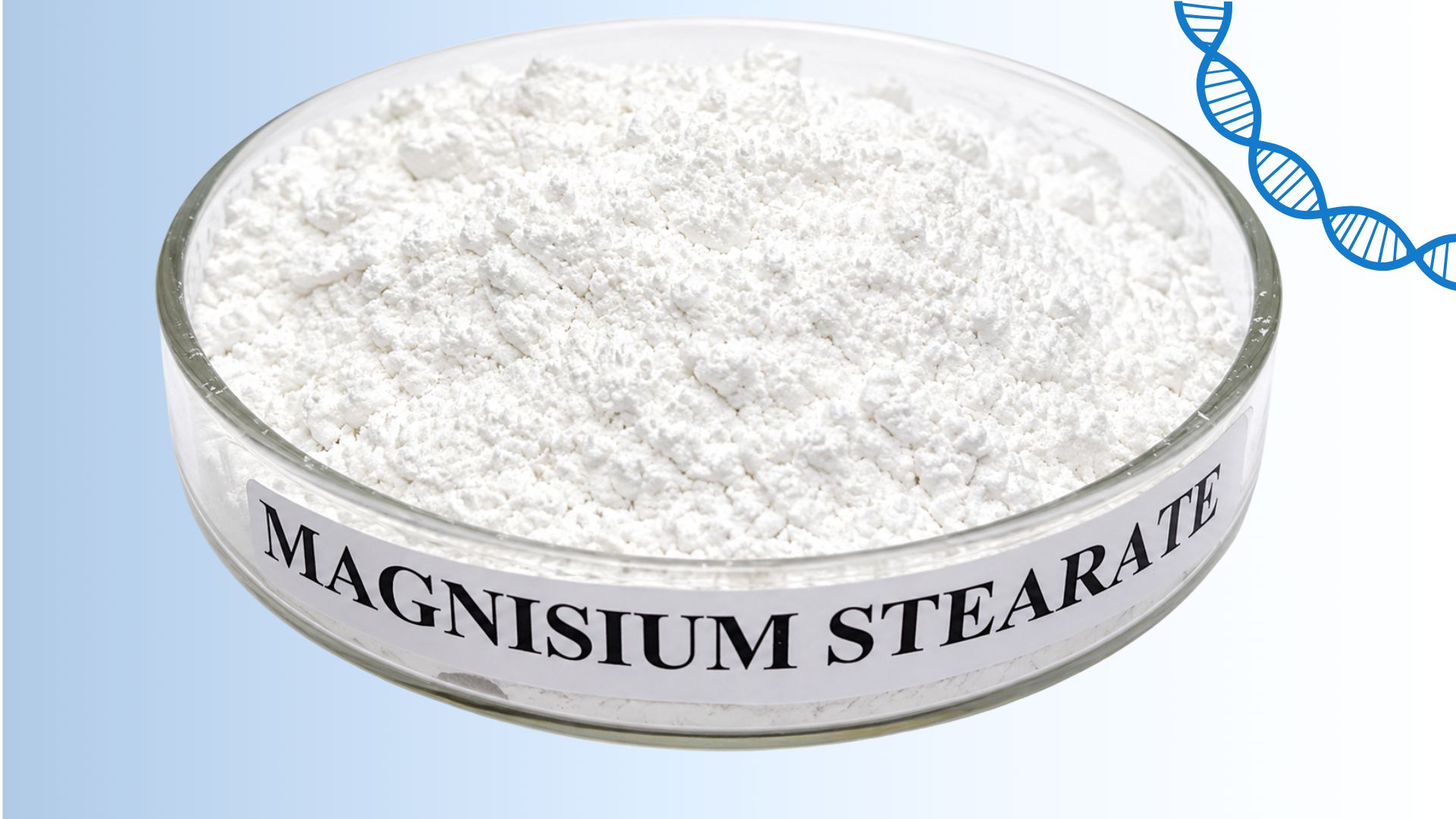
Magnesium Stearate is one of the most vital and widely used excipients in the pharmaceutical, dietary supplement, and cosmetic manufacturing industries. Acting as an excellent "lubricant," this raw material prevents active ingredients from sticking to manufacturing equipment (such as tablet punches and dies), reduces friction, and significantly improves the flowability of powder blends.
In modern formulations, Magnesium Stearate is highly valued for its outstanding lubricating efficiency even at very low concentrations, ensuring smooth tableting and capsule-filling processes while maintaining the dose uniformity of the final products.
The material is manufactured by Nitika Pharmaceutical Specialities Pvt. Ltd. (India), a globally renowned enterprise specializing in the research and supply of high-quality excipients that meet strict international standards, helping manufacturers optimize their processes and enhance final product quality.
2. Physicochemical Properties of Magnesium Stearate
Ingredient Name: Magnesium Stearate
Origin: India
Category: Excipient
Function: Lubricant, Anti-adherent, Glidant.
Molecular Weight: 591.2 g/mol
Physical Form: A very fine, light, white powder, unctuous (greasy) to the touch, with a faint characteristic odor.
Solubility: Practically insoluble in water, ethanol, and ether.
Purity (Magnesium content and Stearic/Palmitic acid ratio)
Loss on drying (Moisture content)
Particle size (crucial for lubrication efficiency)
Heavy metals
Microbial limits
3. Advantages of Magnesium Stearate
Excellent Lubrication and Anti-Adherent Performance: Effectively reduces friction between the powder blend and the punch and die surfaces during tablet compression, ensuring smoother manufacturing, minimizing tablet defects such as sticking, capping, and lamination, and extending tooling life by lowering ejection force.
Effective at Low Use Levels:Delivers optimal lubrication at very low concentrations, typically 0.25–2.0% (w/w), making it a highly efficient and cost-effective excipient.
Extends Tooling Service Life:By reducing friction between the tablet and the punches and dies and lowering ejection force, Magnesium Stearate minimizes tooling wear, prolongs the service life of punches, dies, and tablet compression equipment, while reducing maintenance requirements.
Widely Used and Versatile: As the most widely used pharmaceutical lubricant, Magnesium Stearate offers excellent cost-effectiveness and broad compatibility with a wide variety of active pharmaceutical ingredients (APIs) and formulation types.
Globally Accepted: Magnesium Stearate is monographed in major international pharmacopeias, including the USP–NF, European Pharmacopoeia (Ph. Eur.), British Pharmacopoeia (BP), and Japanese Pharmacopoeia (JP). It is extensively used in numerous innovator and generic pharmaceuticals, as well as dietary supplements worldwide.
4. Applications of Magnesium Stearate
In Pharmaceuticals and Dietary Supplements
Tablet and Capsule Manufacturing: Widely used as a pharmaceutical lubricant in tablet compression and hard capsule filling formulations to reduce friction, prevent sticking to punches and dies, and extend the service life of compression tooling and manufacturing equipment.
Ointments and Creams: Acts as a thickening agent and emulsifier.
In Cosmetics
Powder Makeup: Extensively used in face powders, blushes, and eyeshadows to enhance the adhesion of the powder to the skin, providing a soft and silky feel.
Skincare Products: Acts as an anti-foaming agent, thickener, and emulsion stabilizer in various creams and lotions.
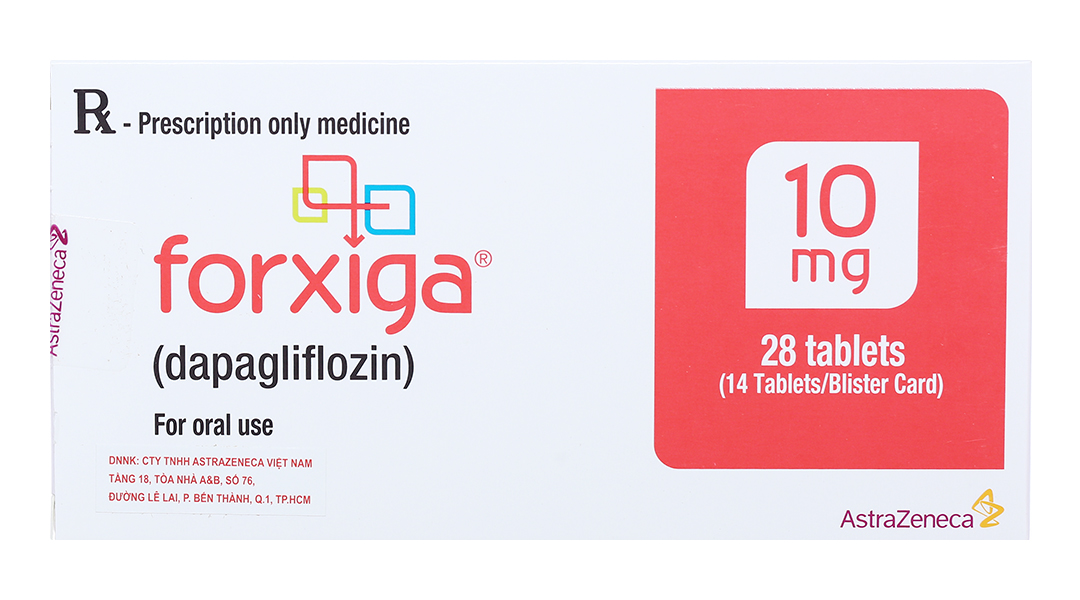
5. Commercial Products Using Magnesium Stearate
6. Product Contact Information
For more information regarding the supply chain, technical specifications ofMagnesium Stearate, or to place an order, please contact us:
Zinc Sulphate Monohydrate – High-quality mineral raw material for effective zinc supplementation in pharmaceuticals and dietary supplements. Contact Biorich today!
Zinc Oxide – An outstanding physical sunscreen, skin protection, and antibacterial ingredient. International standard material. Contact Biorich now!
Biorich Group
Thông tin
Biorich Group provides raw materials and supply chain solutions for the pharmaceutical, nutrition, healthcare, cosmetics, food, and industrial sectors, with a global network of partners.
Main category
Loading...
Featured videos
Sign up to receive news
Sign up for our weekly newsletter to get the latest updates.