Meglumine is a pharmaceutical excipient that enhances the solubility of active pharmaceutical ingredients in drug formulations, improving bioavailability and product stability.
Meglumine, scientifically known as N-methyl-D-glucamine, is an amino sugar compound widely used in pharmaceutical technology and drug formulation. In pharmaceutical manufacturing, Meglumine commonly functions as a functional excipient that improves the solubility of active pharmaceutical ingredients (APIs) with poor water solubility.
In many cases, acidic active compounds can react with Meglumine to form meglumine salts, significantly enhancing their solubility in aqueous environments. This property plays an important role in improving the bioavailability of drugs, particularly in injectable solutions, oral liquid formulations, and diagnostic imaging agents.
Due to its high water solubility, strong chemical stability, and good biocompatibility, Meglumine is widely used in the pharmaceutical industry to develop modern drug formulations with improved therapeutic performance.
2. Chemical Composition of Meglumine
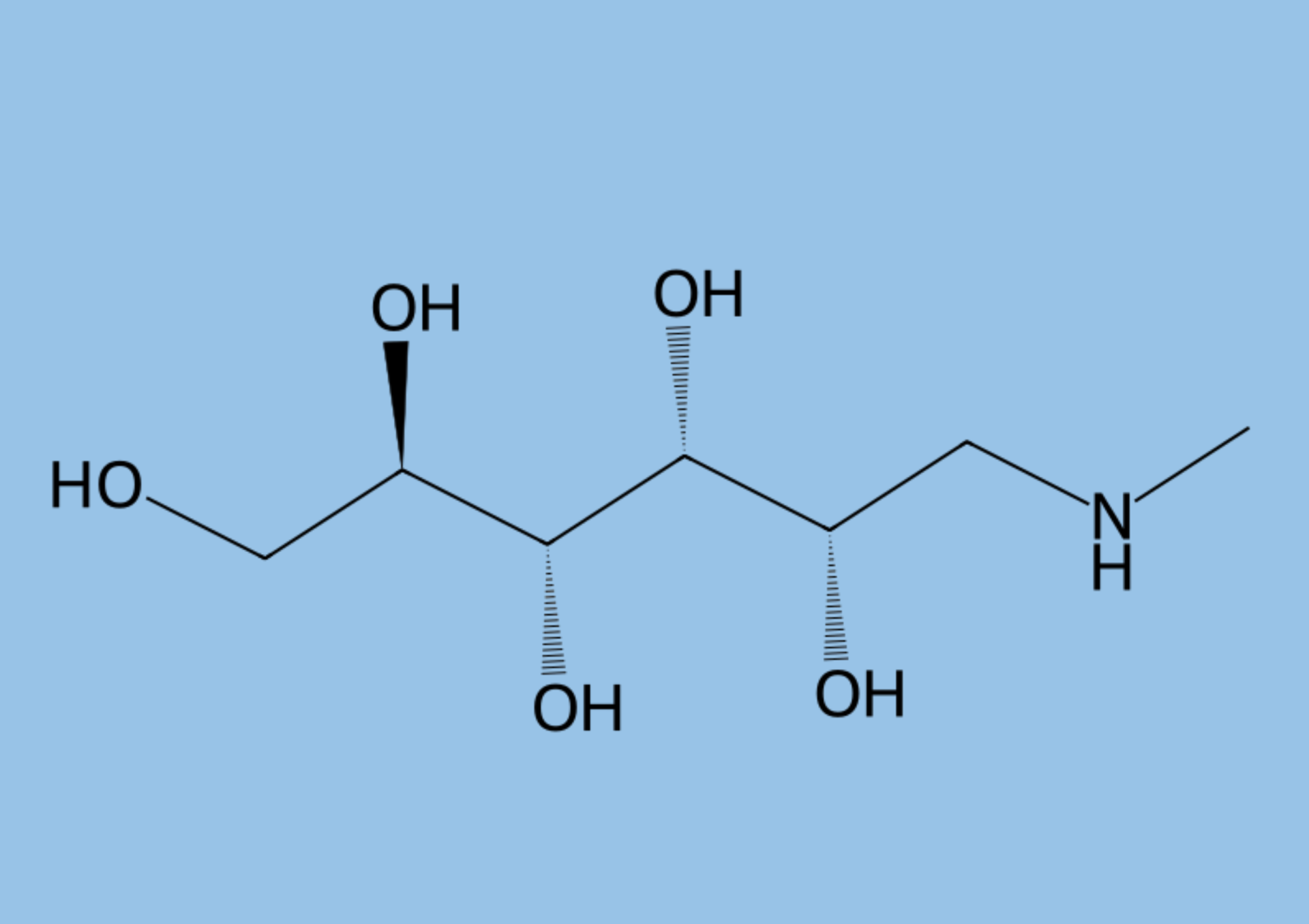
Meglumine is an organic compound belonging to the aminopolyol group. Its molecular structure is similar to glucose but contains an amine functional group. This unique structure enables Meglumine to interact with acidic active ingredients to form salts with enhanced solubility.
Basic chemical information about Meglumine includes:
Chemical name: N-methyl-D-glucamine
Molecular formula: C7H17NO5
Molecular weight: 195.21 g/mol
Physical form:white or almost white crystalline powder
Solubility: freely soluble in water
Properties: mild organic base capable of forming salts with various acidic compounds
3. Key advantages of Meglumine
Meglumine is considered a valuable excipient in pharmaceutical formulation due to several key advantages:
Enhancing drug solubility: Meglumine can form salts with acidic APIs, significantly improving their water solubility.
Improving drug bioavailability:Enhanced solubility leads to improved drug absorption in the body, which helps increase therapeutic effectiveness.
Stabilizing pharmaceutical formulations: Meglumine can help stabilize certain active ingredients that are sensitive to pH or temperature, thereby extending the shelf life of pharmaceutical products.
Good biocompatibility: Meglumine has low toxicity and high tolerability, making it suitable for various dosage forms including oral solutions, injectable formulations, and diagnostic agents.
4. Applications of Meglumine
Meglumine is widely applied in several areas of the pharmaceutical industry:
Salt-forming excipient in drug formulations:Meglumine is commonly used to form meglumine salts with acidic drugs, which can improve API solubility, enhance drug absorption, and reduce irritation at injection sites.
Component in diagnostic contrast agents: Meglumine is an important component in many iodinated contrast media used for medical imaging such as CT scans, X-ray imaging, and other diagnostic procedures.
Support for injectable formulation development:Due to its good solubility and stability, Meglumine helps create stable injectable solutions with reliable therapeutic performance.
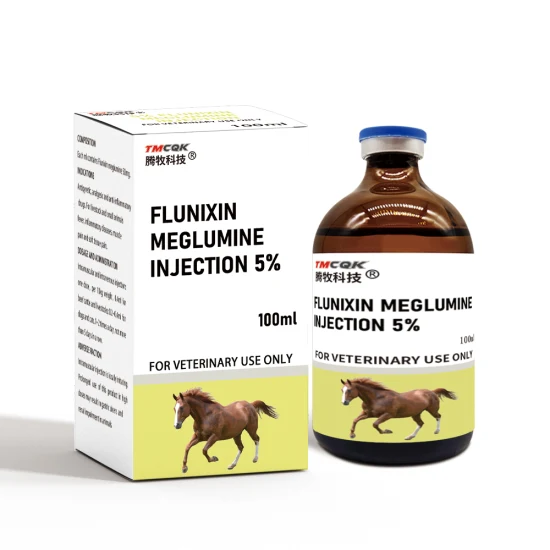
5. Commercial products using Meglumine
6. Product Contact Information
For more information about Megluminesupply, please contact us:
Biorich Group supplies Camphor - an active pharmaceutical ingredient (API) that helps relieve pain, prevent itching, and create a cooling sensation. Optimally applied in ointments, medicated oils, massage balms, and cosmetics. Contact us now to receive a sample and COA!
Ketoprofen Raw Material – International standard Active Pharmaceutical Ingredient (API), widely used in the formulation of analgesic and anti-inflammatory drugs. Contact Biorich now!
Chlorhexidine Gluconate – Highly effective antibacterial and surface antiseptic solution. Widely applied in healthcare and personal care. Contact Biorich now!
Biorich Group
Thông tin
Biorich Group provides raw materials and supply chain solutions for the pharmaceutical, nutrition, healthcare, cosmetics, food, and industrial sectors, with a global network of partners.
Main category
Loading...
Featured videos
Sign up to receive news
Sign up for our weekly newsletter to get the latest updates.

.png)
.png)