(15).png)
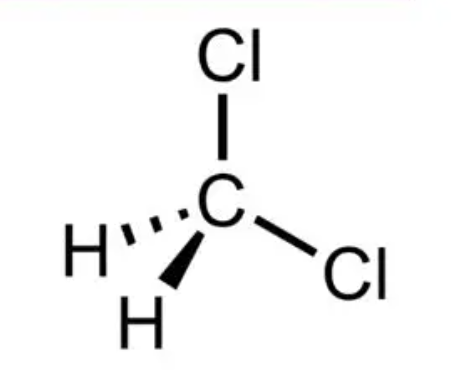
Methylene chloride, also known as Dichloromethane (DCM), is a halogenated compound with the molecular formula CH₂Cl₂ and CAS No. 75-09-2, belonging to the group of chlorinated solvents. It is a colorless, volatile liquid widely used as a solvent in various industries and manufacturing processes.
Before 1840 – Chemical Background
DCM was produced by reducing trichloromethane (chloroform) using zinc and hydrochloric acid in an alcoholic medium. However, this method was complex, costly, and impractical for large-scale production.
1840 – Discovery
French chemist Henri Victor Regnault first prepared DCM through the successful chlorination of methyl chloride under light exposure.
1923 – A Turning Point
Farbwerke Hoechstcommercialized themethane chlorination process. This marked the introduction of the recycle chlorination process for the production of dichloromethane and trichloromethane.
Late 20th Century – Expansion of Applications
DCM was used in:
Present Day – Declining Production Capacity and Stricter Regulations
DCM faces increasing pressure from environmental requirements, emission controls, and occupational health and safety regulations. These factors have driven reduced usage and a significant decline in DCM production capacity. Nevertheless, DCM remains widely used due to its specific applications that are difficult to replace.
Good Solubility for a Wide Range of Organic Compounds
DCM can dissolve a wide range of organic compounds, resins, and polymers, particularly materials with low to moderate polarity.
→ Widely used in extraction, purification, and dissolution of organic compounds, including caffeine extraction and purification, hop extraction, paraffin extraction, dissolution of moisture-resistant polymers, and enteric coatings.
Rapid Evaporation Rate
DCM has a boiling point of approximately 40°C, making it easy to remove from a system after processing.
→ Particularly valuable in processes requiring rapid solvent evaporation, such as film coating, where it can accelerate spray drying and significantly shorten coating time, thereby reducing manufacturing costs.
→ Due to its low boiling point, tablet drying and coating temperatures do not need to be excessively high, helping minimize the degradation of temperature-sensitive active ingredients.
Flexibility in Combination with Other Solvents
DCM can be combined with ethanol, isopropyl alcohol, and acetone to form cosolvent systems.
→ This allows the solubility and evaporation characteristics of the solvent system to be adjusted according to process requirements, facilitating the dissolution of polymers and plasticizers that are difficult to dissolve in coating formulations, such as cellulose acetate, hypromellose phthalate, dibutyl sebacate, and ethylcellulose.
→ Polarity can also be adjusted to support the extraction or purification of active compounds and pharmaceutical ingredients to achieve high purity.
Suitable for Moisture-Sensitive Active Ingredients
DCM enables the development of organic solvent systems that limit the introduction of large amounts of water into the process.
→ This may be suitable for moisture-sensitive active ingredients or formulations, depending on process design.
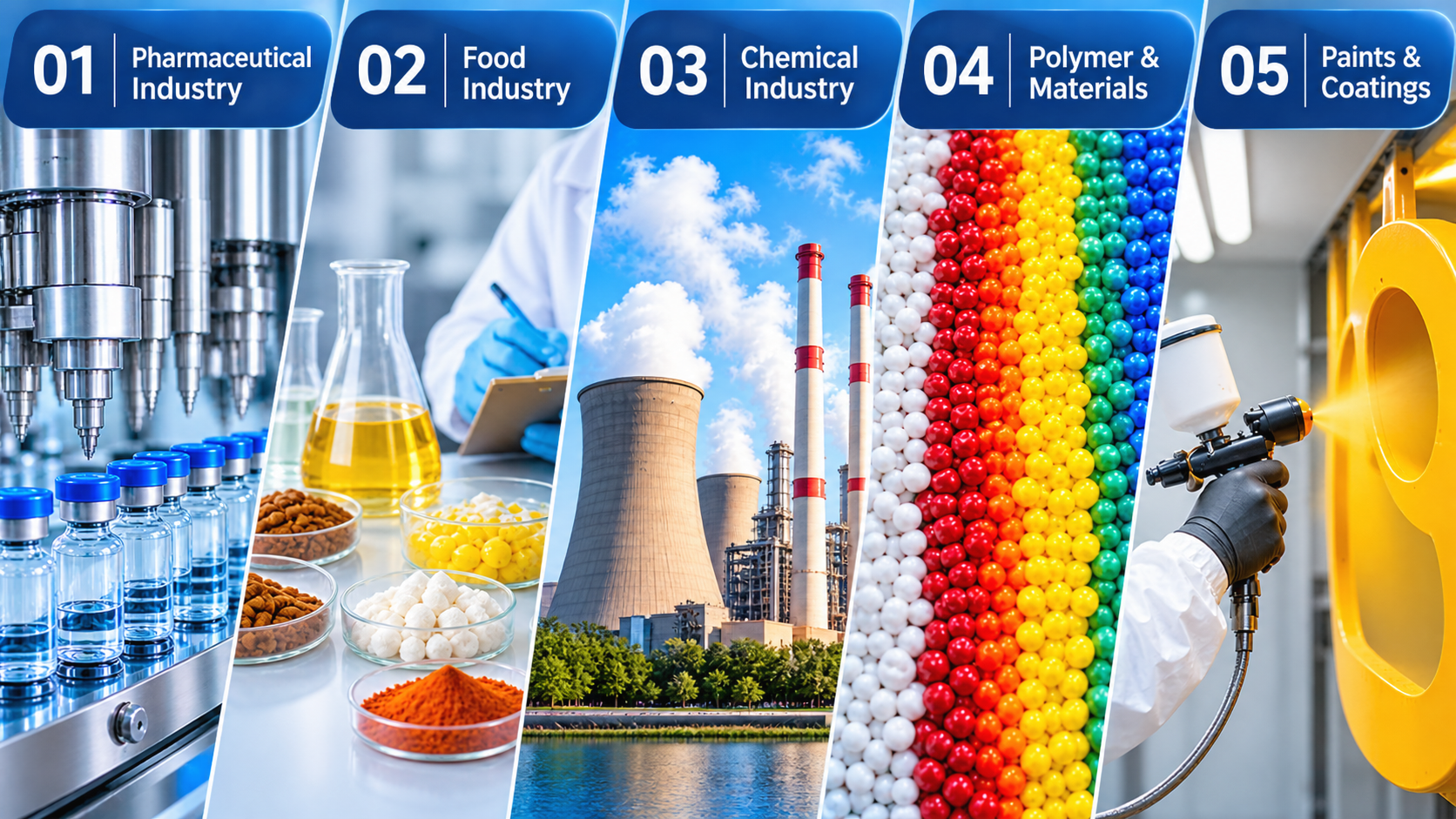
Due to its properties and suitability for various technological requirements, DCM is selected as a solvent in different processes, ranging from dissolution and material treatment to extraction, film formation, and industrial manufacturing.
Pharmaceutical Technology
Food Technology
Chemical Industry
Polymer and Materials Industry
Paints and Coatings