(13)(1).png)
Digestive symptoms may be associated with different underlying mechanisms, among which gastric acid and the presence of gas in the gastrointestinal tract are two notable factors. This provides the rationale for combining ingredients with different mechanisms of action within a single formulation.
.png)
The value of this combination does not simply lie in incorporating multiple active ingredients, but rather in thecomplementary nature of their mechanisms of action. Al(OH)₃ and Mg(OH)₂ both contribute to acid control but exhibit different characteristics, while Simethicone introduces an additional mechanism targeting gas bubbles in the gastrointestinal tract.
Aluminium Hydroxide and Magnesium Hydroxide are both antacids capable of neutralizing gastric acid. However, despite serving the same primary function, these two ingredients exhibit different characteristics, providing a rationale for their combination within a single antacid system.
| Characteristics | Aluminium Hydroxide | Magnesium Hydroxide | Significance of the Combination |
|---|---|---|---|
| Role | Antacid | Antacid | Combines two antacids with complementary characteristics rather than relying on a single ingredient. |
| Reaction rate with HCl | Relatively slow reaction | Rapid reaction | Creates differences in the kinetics of acid neutralization. |
| Acid-neutralizing capacity | Varies depending on pH conditions and the surrounding environment. | Can utilize nearly its entire theoretical neutralizing capacity within the pH range of 1–4.5. | Supports acid neutralization under different gastric conditions. |
| Neutralization behavior over time (1) | Can sustain the neutralization process under suitable conditions, particularly in the presence of food. | Supports acid neutralization through its relatively rapid reaction. | Influenced by reaction rate and gastric contact time. |
| Effects on intestinal motility (1) | Tends to cause constipation. | Has a laxative effect and may cause diarrhea. | Provides complementary effects that may help balance gastrointestinal side effects. |
Therefore, the complementary properties of Al(OH)₃ and Mg(OH)₂ extend beyond their ability to neutralize gastric acid to include their differing effects on the gastrointestinal tract. Combining these two ingredients provides a basis for developing an antacid system with more balanced characteristics.
Gas in the gastrointestinal tract can originate from various sources, ranging from swallowed air to fermentation processes carried out by the intestinal microbiota. When gas becomes trapped in the form of gas bubbles or foam, Simethicone can act on their surface properties, facilitating gas release and subsequent elimination.
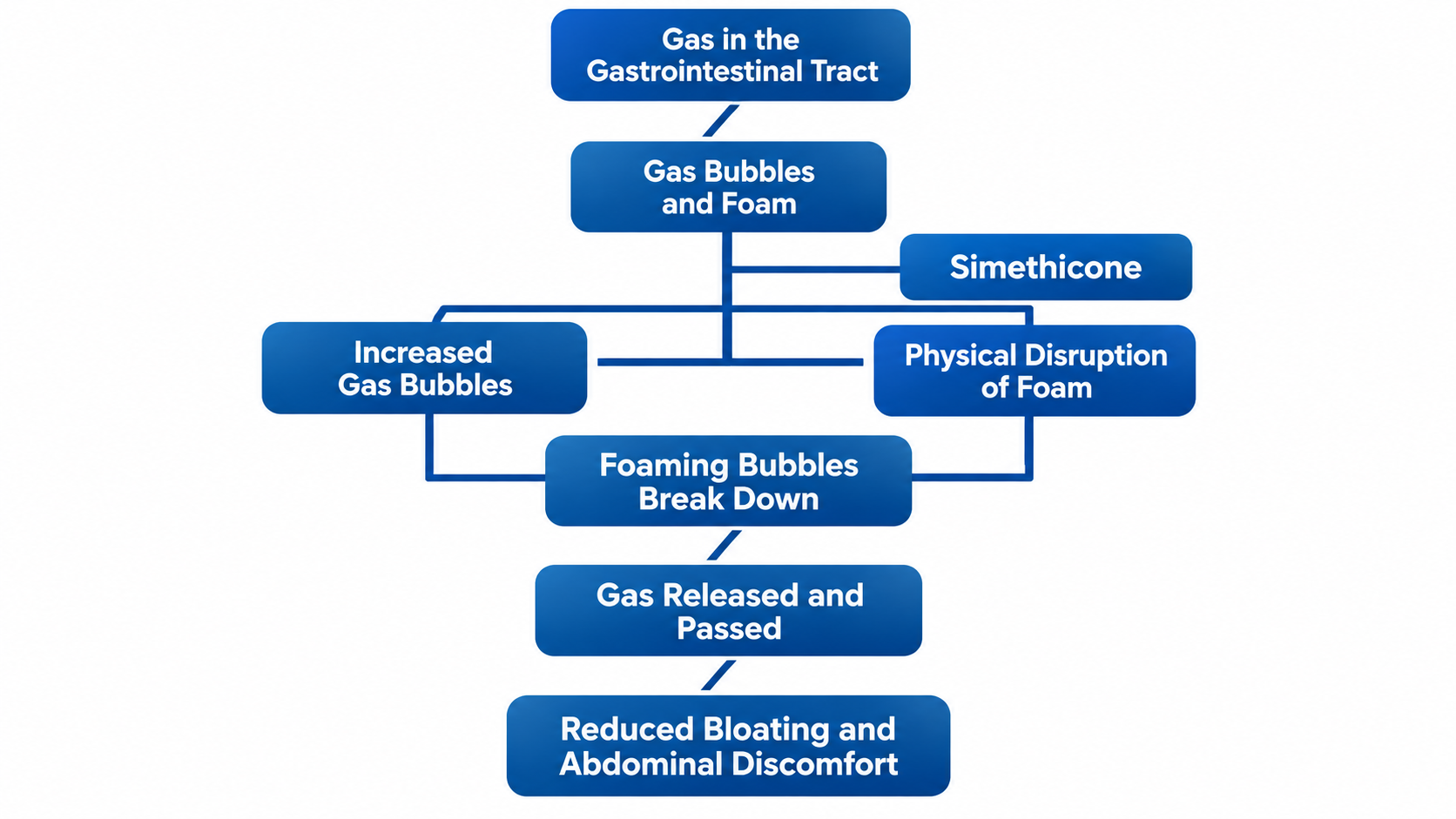
Accumulated or trapped gas in the gastrointestinal tract may contribute to abdominal fullness, bloating, and belching. By altering the physical properties of foam and gas bubbles, Simethicone facilitates gas release and thereby helps relieve gas-related symptoms.
The complementarity of these mechanisms not only broadens the scope of symptom management but also supports the ultimate goal of improving patient comfort.
The combination of Al(OH)₃, Mg(OH)₂, and Simethicone is not simply a matter of incorporating multiple active ingredients into the same formulation. Each ingredient performs a distinct function while contributing different complementary mechanisms to the overall system.
| Active Ingredient | Primary Function | Mechanism of Action | Contribution to the Combination |
|---|---|---|---|
| Al(OH)₃ | Antacid | Neutralizes gastric acid. | Contributes complementary characteristics to the antacid system. |
| Mg(OH)₂ | Antacid | Neutralizes gastric acid. | Contributes complementary characteristics to the antacid system. |
| Simethicone | Antifoaming agent | Acts on foam and gas bubbles in the gastrointestinal tract. | Introduces a distinct mechanism for managing gas-related symptoms. |
Al(OH)₃ and Mg(OH)₂ form the first complementary layer within the antacid group. Although both contribute to acid neutralization, they differ in reaction characteristics and their effects on the gastrointestinal tract, providing a basis for combining them within the same system.
Simethicone introduces the second mechanistic layer. Unlike antacids, Simethicone does not participate in acid neutralization. Instead, it acts on foam and gas bubbles in the gastrointestinal tract, providing an additional approach to symptom management alongside the effects of antacids.
Therefore, the value of this combination lies in the functional allocation and complementarity between its ingredients, rather than simply increasing the number of active substances. This combination broadens the scope of managing factors associated with digestive symptoms, with a shared objective: helping patients achieve greater digestive comfort.
An ingredient combination is valuable when its components do more than simply coexist in a formulation and insteadprovide complementary functions.
The mechanisms and complementary benefits of these combinations discussed above are not merely theoretical. In the pharmaceutical market, antacids are developed in various combination formats, with Al(OH)₃, Mg(OH)₂, and Simethicone incorporated in different ways depending on the intended symptom management objectives.
| Combination Type | Commercial Product | Dosage Form | Composition |
|---|---|---|---|
| Al(OH)₃ + Mg(OH)₂ | Maalox® | Oral Suspension | 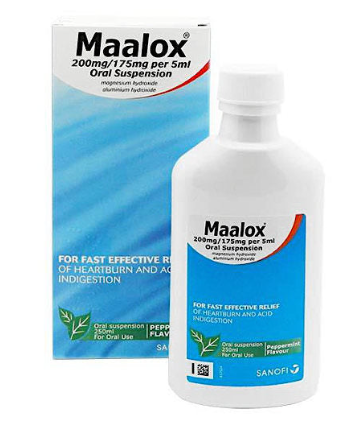
|
| Al(OH)₃ + Mg(OH)₂ + Simethicone | Maalox® Plus | Oral Suspension | 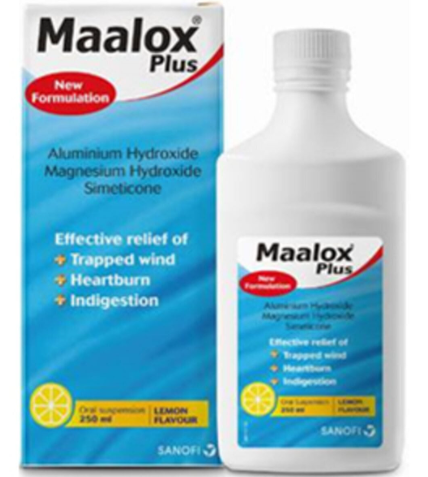
|
| CaCO₃ + Mg(OH)₂ + Simethicone | Mylanta® One | Chewable Tablets | 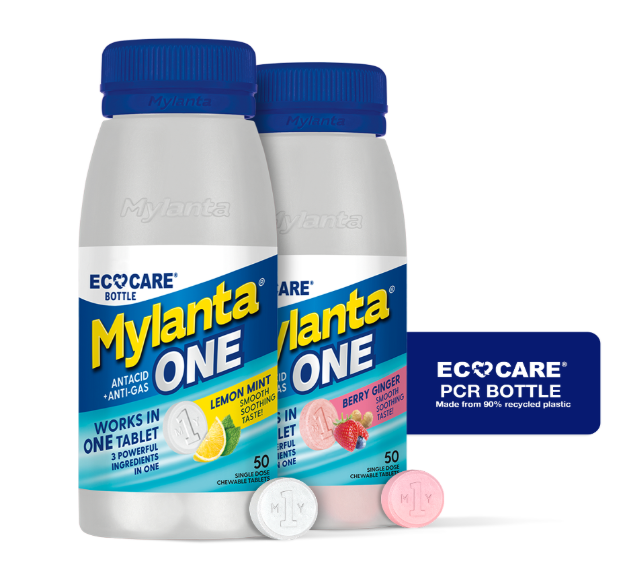
|