Learn about Trehalose, a non-reducing disaccharide with a high glass transition temperature and the ability to protect proteins in lyophilized drug formulations.
Trehalose (also known as α,α-trehalose or mycose) is a non-reducing disaccharide composed of two glucose molecules linked by an α,α-1,1-glycosidic bond. It is a naturally occurring compound with unique physical and chemical properties, playing an important role in protecting organisms against harsh environmental conditions.
In 1832, H. A. L. Wiggers isolated a non-reducing sugar from ergot fungus (Claviceps purpurea) parasitic on rye plants. In 1857, Mitscherlich identified the chemical properties of this compound and named it mycose. One year later, M. Berthelot isolated the same compound from trehala manna – a sweet secretion surrounding the cocoon of the beetle Larinus nidificans – and named it trehalose. In 1876, M. A. Müntz demonstrated that mycose and trehalose were actually the same compound, establishing the name trehalose as the standard term used in subsequent research and applications.
2. Physicochemical Properties and Polymorphic Forms of Trehalose
Chemical formula: C12H22OH (anhydrous form) or C12H22OH.2H2O (dihydrate form)
It is themost stable andmost common form of Trehalose at room temperature.
This form exhibits low hygroscopicity, maintaining a water content of approximately 9.5% even when exposed to relative humidity levels of up to 92%. However, at high humidity levels above 90%, it may become liquid.
Its melting temperature (which is actually a dehydration process) occurs at approximately 97°C.
Anhydrous form: There are three different polymorphic forms: Trehalose - α, β, γ
Form (Tα): A metastable form produced by dehydrating Th under vacuum at 85°C for 4 hours. Its most important characteristic is its ability to reversibly transform back into the original form upon exposure to moisture without altering the primary crystal lattice structure. 3
Form (Tβ): The most stable anhydrous form, produced by dehydrating Th at temperatures of 125–150°C. This form has a very high melting temperature of approximately210–215°C. 3,4
Form (Tγ): A metastable form produced by dehydrating Th at temperatures below 100°C, simultaneously generating Tα and the amorphous form. At temperatures below 80°C, Tγ may transform into Tα and the amorphous form, or convert into Th when exposed to moisture. 3,4
Amorphous form:
Trehalose can readily transition into an amorphous state through processes such as freeze-drying, spray drying, orrapid cooling from the molten state.
In this state, it exhibits a very high glass transition temperature (Tg) of approximately 110–120°C in the completely anhydrous form. This is the highest value among disaccharides, enabling the formation of a highly viscous matrix that immobilizes biological molecules. 3,4
It is a disaccharide composed of two glucose molecules linked by an α,α-1,1-glycosidic bond.
High stability: Because the bond between the two glucose molecules involves their reducing ends, trehalose is highly stable, resistant to acid hydrolysis, and exhibits high heat resistance (even at pH 3.5–10 and 100°C for 24 hours).
Sweetness: Trehalose has a mild, clean sweetness, equivalent to approximately45% of the sweetness of sucrose.
Solubility: Soluble in water and poorly soluble in ethanol.
pH: 4.5–6.5 (30% solution).
3. Key Advantages of Trehalose in Formulations
Chemical Stability and Heat Resistance of Trehalose
Highly stable glycosidic bond: The glycosidic bond in trehalose has a very low free energy(<1 kcal/mol), contributing to its high resistance to hydrolysis. In contrast, the glycosidic bond in sucrose has a higher free energy (>27 kcal/mol), making this disaccharide more susceptible to hydrolysis under mildly acidic conditions, producing glucose and fructose – two monosaccharides with strong reducing activity. 5
Heat and acid resistance: Trehalose can withstand temperatures of 100°C for 24 hours across a broad pH range (3.5–10) without decomposition. Meanwhile, other sugars such as sucrose are readily hydrolyzed into reducing sugars under high-temperature conditions or in mildly acidic environments. 5
Ability to Resist the Maillard Reaction
Non-reducing disaccharide: Since both reducing ends of the glucose molecules are involved in the glycosidic bond, Trehalose has no free aldehyde groups. 5
Preservation of color and quality: Trehalose does not participate in the Maillard reaction with amino acids or proteins during high-temperature processing. This helps food and pharmaceutical products retain their original color without browning or reacting with active ingredients, unlike formulations containing glucose or sucrose. 5
Glass Transition Temperature and Glassy Phase Formation
Stable glassy phase: Trehalose has the highest glass transition temperature among disaccharides (approximately 110–120°C in the anhydrous form), compared with other disaccharides such as maltose (84°C) and sucrose (60°C).
Long-term preservation: This high value allows Trehalose to form an extremely stable glassy matrix at room temperature, helping encapsulate and immobilize the structure of biological molecules (such as vaccines, proteins, and enzymes), preventing molecular mobility that can lead to degradation. 6
Superior Biological Protection
Water replacement mechanism: Trehalose can form direct hydrogen bonds with the polar groups of proteins and cell membranes, replacing the hydration shell during dehydration to maintain their three-dimensional structures. 6
Antioxidant activity: Trehalose exhibits antioxidant effects primarily through substrate stabilization and protection of cells against oxidative damage, demonstrating greater effectiveness than mannitol, galactose, and sucrose. 5
Advantages in Food Technology
Prevention of starch retrogradation: Trehalose effectively inhibits staling (hardening caused by starch retrogradation) in baked goods and starch-containing foods more effectively than any other sugar. 1
Odor reduction: Trehalose has the distinctive ability to inhibit fatty acid oxidation and the degradation of sulfur compounds, thereby significantly reducing unpleasant odors in foods (such as fish and meat odors) as well as human body odor. 1
Physiological Benefits
Lower glycemic response: Compared with glucose, Trehalose intake results in a slower and lower increase in blood glucose and insulin levels, providing the body with a more sustained energy source. 5
4. Applications of Trehalose in the Food Industry
Food Industry
Trehalose is used as a multifunctional additive due to its high chemical stability and ability to protect food structures.
Sweetener and flavor enhancer: It provides approximately45% of the sweetness of sucrose, delivering a mild, clean sweetness without an unpleasant aftertaste and helping mask off-flavors.
Prevention of starch retrogradation: Trehalose effectively inhibits starch hardening (retrogradation), helping extend the freshness of products such as bread, rice, and mochi.
Preservation of dried and frozen foods: Through glass formation and water replacement mechanisms, it helps preserve the structure, color, and natural aromatic compounds of fruits, vegetables, and meat after processing.
Fat and protein stabilization: It inhibits fatty acid oxidation (reducing unpleasant odors) and protects proteins against denaturation during long-term storage.
Pharmaceuticals and Biotechnology
Trehalose is an important excipient for preserving sensitive biological products.
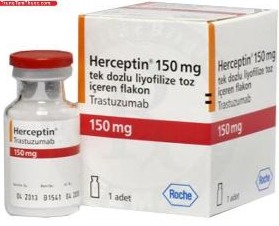
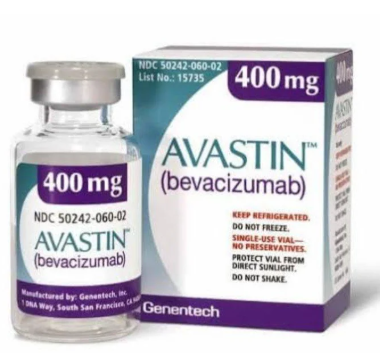
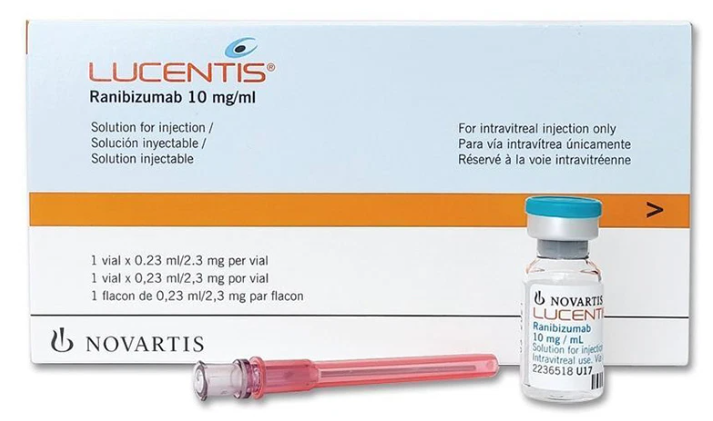
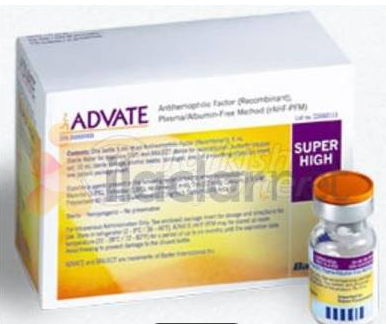
Stabilization of vaccines and monoclonal antibodies in lyophilized powders: Trehalose is widely used in lyophilized biological products due to its ability to form complexes and protect protein structures. Through water replacement and maintenance of protein conformation, it helps limit denaturation, aggregation, and oxidation during freeze-drying. 5
Vitamin stabilization: Trehalose can interact with transition metal ions such asIron (Fe) and Copper (Cu), which are strong catalysts for oxidation reactions. Complex formation or interactions with these ions help prevent vitamin degradation.
Stabilization of probiotic preparations through freeze-drying: Trehalose protects probiotic cells against damage caused by freeze-drying and dehydration, contributing to improved stability and survival rates.
Filler excipient for solid dosage forms: Although Trehalose is currently used primarily in pharmaceuticals as a stabilizing agent, its high chemical stability, non-reducing nature, good compressibility, high porosity, and rapid disintegration time make it a promising filler excipient. It may potentially replace mannitol, sucrose, or lactose in solid dosage forms such as tablets, orally disintegrating tablets (ODTs), and capsules. 5
Analysis of the biological characteristics, endospore formation mechanisms, clinical differences, and probiotic preparations containing Bacillus clausii and Bacillus subtilis.
Learn about Methylene chloride (Dichloromethane – DCM): its physicochemical properties, safety standards, advantages of rapid evaporation, and applications as a film coating solvent and pharmaceutical extractor.
Learn about Silicified Microcrystalline Cellulose (SMCC) – a co-processing solution for MCC with 2% colloidal silicon dioxide that enhances flowability, compressive strength, and optimizes straight forging.
Analysis of the synergistic mechanism between Aluminum Hydroxide, Magnesium Hydroxide, and Simethicone in neutralizing gastric acid, breaking down gas bubbles, and controlling digestive symptoms.
Analysis of technological differences between Dibasic Calcium Phosphate Anhydrous and Dihydrate in terms of physicochemical parameters, surface pH, and application selection of direct compression excipients.
This article provides a detailed analysis of the physicochemical properties, acid neutralization mechanisms, and practical applications of Sodium Bicarbonate and Calcium Carbonate in pharmaceuticals.
Biorich Group
Thông tin
Biorich Group provides raw materials and supply chain solutions for the pharmaceutical, nutrition, healthcare, cosmetics, food, and industrial sectors, with a global network of partners.
Main category
Loading...
Featured videos
Sign up to receive news
Sign up for our weekly newsletter to get the latest updates.
 (23).jpg)
 (24).jpg)